Pinterest marketing takes steady design, research, and scheduling work. Many creators lack time for those repeated tasks. PinBoostr brings those jobs into one simple dashboard. Its AI prepares branded pins from approved website links. Users can review each draft before publication.
The service suits blogs, stores, agencies, and digital product sellers. It uses Pinterest’s official API for publishing. It never needs your Pinterest password. Growth results still depend on content, targeting, and consistency.
What Is PinBoostr?
PinBoostr is an AI-powered Pinterest creation and scheduling platform. It turns blog posts, products, and landing pages into pin drafts. Its AI writes titles and descriptions using relevant search terms. The design system learns your colors, fonts, templates, and brand voice. Users can approve drafts before scheduling them. Growth Brain selects content, boards, and suitable posting times. The dashboard tracks impressions, saves, clicks, boards, pins, and URLs. Account Health watches reach changes and adjusts posting pace after detected drops. The service supports Pinterest OAuth and official API publishing. It does not promise rankings, clicks, sales, or traffic growth.
AppSumo Lifetime Deal Pricing
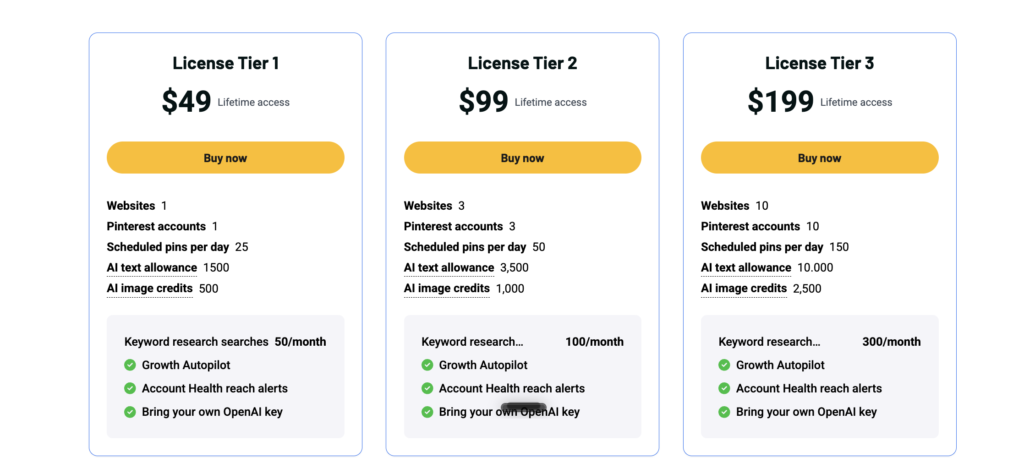
The supplied brief does not include verified AppSumo license prices. Public deal prices, limits, and availability can change without notice. Buyers should check the live AppSumo listing before purchasing PinBoostr. Confirm connected sites, daily pins, users, and account limits. Check future update terms and refund rules too. A lifetime purchase normally covers the selected license tier. It does not always cover every later add-on. The table below avoids publishing an unverified price as fact today.
PinBoostr Pros and Cons
Pros
- AI drafts pin images, titles, and descriptions from website pages.
- Brand settings maintain consistent colors, fonts, and design styles.
- The approval queue gives owners control before each publication.
- Multi-site support suits agencies, stores, and content publishers.
- Analytics connect pin results with boards and destination pages.
Cons
- AI drafts still require checks for accuracy and brand fit.
AppSumo Lifetime Deal
The supplied brief does not include verified AppSumo license prices. Public deal prices, limits, and availability can change without notice. Buyers should check the live AppSumo listing before purchasing PinBoostr. Confirm connected sites, daily pins, users, and account limits. Check future update terms and refund rules too. A lifetime purchase normally covers the selected license tier. It does not always cover every later add-on. The table below avoids publishing an unverified price as fact today.
10 Key Features:
1. AI Pin Designer
The AI Pin Designer turns approved website pages into visual drafts. It works with posts, products, roundups, and landing pages. The system studies brand colors, fonts, and writing style. It then prepares designs that match the connected website.
Each source URL can produce several different visual options. This variety helps feeds avoid repeated design patterns. The system writes short titles for each proposed pin. It prepares descriptions with terms related to the source page. Users keep control through an editable draft stage.
They can change text, images, links, and board choices. The built-in templates give new users a faster starting point. A custom template editor supports reusable personal layouts.
Site-based style learning keeps future drafts more consistent. Final design quality still relies on clear source content. Human review remains useful for facts and brand details. This feature reduces repeated design work across larger publishing queues.
2. URL-Based Pin Creation
Users can create drafts from almost any approved website URL. Supported examples include articles, recipes, products, and sales pages. The tool reads each page before preparing its draft content. It uses page details to propose titles and descriptions.
The selected URL becomes the destination link for each pin. Users can check that link before approving publication. This workflow helps creators reuse existing website content. Older posts can receive fresh designs and new copy. Stores can prepare product pins without rebuilding every listing.
Affiliate publishers can use approved roundups and content pages. A page preview offers a free test without registration. Batch creation can save time across large content libraries.
Clear page titles usually provide better source information. Thin pages may need more manual editing and review. Users should confirm every price, claim, and destination link. Pinterest performance still depends on topic demand and content quality.
3. Growth Brain Autopilot
Growth Brain keeps a publishing queue filled with proposed pins. It selects eligible content from the connected website. The system scores pages before choosing what to promote.
It matches each draft with a relevant Pinterest board. Scheduling uses times linked with stronger account performance. Users can require approval before any pin goes live. This review control reduces unwanted automated publishing. Publishers may choose specific pages for future promotion.
They can exclude pages that should never receive pins. The calendar shows planned content for the next two weeks. Users can edit the queue before scheduled publication dates.
Growth Brain studies stronger pins and favors related content. Weekly suggestions give users possible campaign directions. Automated choices still need regular checks from account owners. Poor source content can produce weak draft recommendations. The feature best serves users with several publishable website pages. It creates a steady workflow without removing owner control.
4. Smart Pinterest Scheduling
The scheduler publishes approved pins through Pinterest’s official API. It does not use browser automation or password sharing. Users can set queues for planned daily publishing.
Paid plans set different maximum daily pin limits. Starter supports up to 15 pins each day. Growth supports up to 30 daily pins. Pro raises that amount to 60 daily pins.
Agency supports up to 150 pins each day. These limits describe capacity, not recommended posting frequency. Growth Brain can choose stronger times from available account data. The calendar displays upcoming content across two weeks. Users can inspect links, boards, images, and copy.
Planned drafts stay editable before their scheduled times. Account Health may lower posting pace after reach drops. This response seeks to protect the connected Pinterest account.
Users should follow Pinterest rules and watch content quality. A large posting allowance never guarantees stronger reach or clicks.
5. Account Health Monitoring
Account Health checks Pinterest reach data each day. It looks for sudden changes in account impressions. The service sends an early warning after detecting a drop. It gives plain-language reasons linked with the detected pattern. Users receive suggested steps for correcting possible account issues.
The system can lower scheduled posting activity during recovery. This automatic pacing seeks to avoid further account pressure. Per-URL caps limit repeated promotion of one destination. Per-board caps reduce heavy activity on one board. Per-keyword caps limit repeated targeting around one search term.
Warm-up controls support a slower start for connected accounts. These tools separate the service from basic scheduling products. Pinterest never publishes every detail behind distribution changes.
Users should treat each stated reason as diagnostic guidance. External events or seasonality may explain some reach changes. Account Health cannot guarantee recovery from every traffic decline. It gives owners earlier data for a measured response.
6. Pinterest Analytics Dashboard
The analytics area displays metrics from the connected Pinterest account. Users can review impressions The analytics area displays metrics from the connected Pinterest account.
Users can review impressions, saves, outbound clicks, and engagement. Reports group results by pin, board, and destination URL. Date controls help users compare results across selected periods. The dashboard highlights content that earns stronger audience responses.
Creators can find topics worth using again. Store owners can compare product pages and campaign results. Board reports show which collections attract more attention.
URL reports reveal pages that receive Pinterest visits. Pin reports identify effective images, titles, and descriptions. The service needs enough data before patterns become useful.
New accounts may show limited findings during early weeks. Pinterest metrics may differ from website analytics figures. Attribution windows can explain some reporting differences.
Users should compare platform data with their website reports. Regular reviews support better content choices and queue planning. Analytics provide evidence, yet they cannot predict future performance.
7. Intent-Based Keyword Research
The keyword tools find Pinterest terms related to website content. Search intent helps match pins with relevant audience needs. The system groups terms around topics, products, and questions. Users can review recommendations before adding them to drafts.
Suggested words may appear in titles and descriptions. Natural wording protects readability and keeps messages clear. Keyword stuffing may weaken copy and reduce user trust. The tool studies signals available through its Pinterest connection.
It can suggest phrases linked with seasonal interest. Bloggers may find terms for guides, lists, and tutorials. Stores may find phrases tied to products and occasions.
Each suggestion still needs a quick relevance check. The thing is, search popularity can change over time. Regional trends may differ between Pinterest audiences.
Generic terms often face wider competition from established accounts. Narrow terms may attract smaller, more focused visitor groups. Good source pages should answer the selected search intent. Keyword research supports discovery, but content quality drives lasting value.
8. Trend and Campaign Recommendations
Trend recommendations help users plan timely Pinterest content. The system connects seasonal topics with suitable website pages. It can suggest campaigns for holidays and annual events. Users gain more planning time before search interest rises. Pinterest users often plan purchases and projects early.
Early scheduling may help relevant pins gain useful history. The tool can place suggested ideas inside future queues. Users decide which recommendations match their brand.
A food blog may plan recipes before major holidays. A store may schedule gift content before shopping periods. Travel publishers can prepare destination posts before popular seasons.
Okay, let me share with you one practical warning. Trends do not fit every website or audience. Forced seasonal links can create weak or misleading pins.
Publishers should reject ideas lacking a clear page connection. Historical patterns cannot promise the same future interest. Current events may change expected seasonal behavior. Thoughtful review keeps campaigns useful, accurate, and brand appropriate.
9. Custom Templates and Brand Learning
The design area supports reusable templates for recurring pin styles. Users can set colors that match their website identity. Font choices create a more consistent visual appearance.
Layout rules guide image placement and text hierarchy. Brand learning studies approved designs and future editing choices. Later drafts may follow those established preferences more closely. Users can still edit every proposed design before scheduling. Templates help teams maintain similar output across multiple campaigns. Bloggers can make separate formats for guides and recipes.
Stores can create layouts for products, offers, and collections. Agencies can set different styles for each client website. Clear templates reduce repetitive setup during large publishing sessions.
Too many similar designs may make feeds feel repetitive. Users should rotate layouts, images, headlines, and visual focus. Custom fonts may need suitable usage rights. Text requires strong contrast for mobile Pinterest users. Brand controls save time without replacing thoughtful visual review.
10. Multi-Site and Agency Management
Higher plans support users who manage several websites. Each site can keep separate content and design settings. This separation helps agencies avoid mixing client brand assets.
Teams can organize URLs, templates, boards, and publishing queues. Account limits vary across subscription and lifetime deal tiers. Buyers should match those limits with their current workload. Extra capacity may suit agencies with several active clients.
Solo bloggers may need only one connected website. Ecommerce teams can separate stores or regional content projects. Central management reduces frequent switching between unrelated tools. Users still need permission for every connected Pinterest account.
Client contracts should explain automation and approval responsibilities. Agencies should check drafts before publishing client content. Shared workflows need clear ownership and review rules. For what it is worth, automation can increase review volume.
High publishing limits may create more quality control work. Multi-site support offers value when every site receives steady content. Unused account capacity provides little practical benefit.
Read More: PosteAhora Review: The Best Social Media Management Tool
This platform combines pin design, scheduling, research, and reporting. The lifetime offer may reduce recurring software costs. Its value grows with regular Pinterest publishing. Agencies may benefit from higher site and account limits. Bloggers can reuse older content through fresh pin drafts. To be fair, automation does not replace a content plan. Strong pages, clear images, and relevant topics still matter. Buyers should compare each license tier with monthly plans. They should confirm current prices before making payment. The deal suits active publishers with established website content. Occasional users may find the larger limits unnecessary. All things considered, it offers a practical Pinterest workflow. The approval system adds useful control over automated drafts.